Expert Voice: Let’s Talk About Death and Dying
Assistant Practitioner, Natalie Birmingham, speaks about the importance of having difficult conversations
By Natalie Birmingham, Assistant Practitioner, Moya Cole Hospice
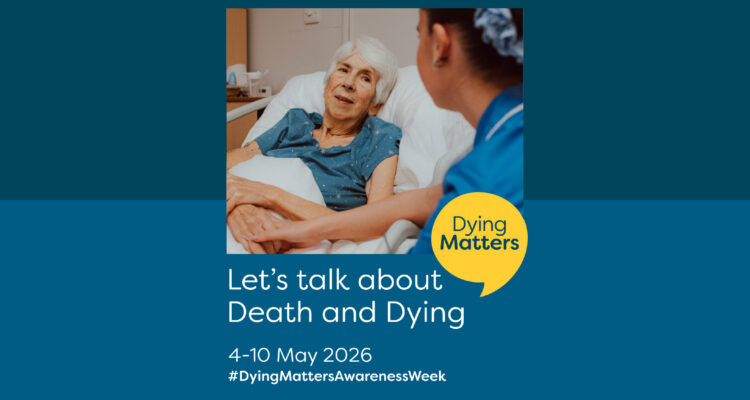
Dying Matters Awareness Week is running until Sunday, 10 May. The theme, ‘Let’s Talk About Death and Dying’, highlights the importance of having difficult conversations; whether a patient is at the end of their life, or a family member or loved one is experiencing grief, or navigating the life‑limiting illness of someone close to them.
According to Hospice UK, the mission of Dying Matters is to break down the stigma and taboo of talking about death and dying. But sometimes, it’s hard to know where to start.
Twenty‑seven per cent of people find it hard to talk about death with family or friends, and 30 per cent bottle their feelings up. If we don’t talk about death, dying, and bereavement, it can be harder to cope when we experience it.
Death, dying, and bereavement affect us all. This Dying Matters Awareness Week, Hospice UK is focusing on the importance of conversations about death and dying – with family, friends, employers, anyone in your life – helping you to get the conversation started.
I’ve worked for Moya Cole Hospice since 2020. I’m an Assistant Practitioner in mental health, providing psychological support to patients and families, as well as bereavement support.
A lot of my work is supporting people with conversations around death and dying. Many people I speak with come to therapy because they have anxiety about their diagnosis or prognosis, fears about death, and worries about how the end might look, to name a few.
People often tend to think about loss as something that happens when someone has died, but actually, you can experience a number of losses throughout that journey.
Talking about death and dying is really difficult for a lot of people. Traditionally, 100 or so years ago, your family and community would have cared for you in your final days; it was a very open process. As time has gone on, we associate dying more with happening behind closed doors, something private which is rarely spoken about Natalie Birmingham, Assistant Practitioner, Moya Cole Hospice
A lot of us are quite reserved about talking about how we are feeling, but being able to talk about the fears and anxiety surrounding death and dying can help with those feelings. It can be lonely if you’ve got a lot of worries about death, whether it’s happening to you or a loved one, and you’re dealing with it on your own. As you begin to face those fears around the initial conversation, you might discover that you are not alone in the process. It can help to reduce feelings of loneliness – that feeling that nobody can understand how it feels.
There are a number of ways to try and make the process of talking about death a little easier for you and your loved ones. Things to consider are the time and place of those conversations and the way in which you have them – face‑to‑face conversations certainly help. Sometimes, when we communicate over the phone or through messages, things can come across in a way that’s not intended, and you might not pick up on verbal and non‑verbal cues. It’s also important to have the conversation in a place where you are not going to be disturbed, interrupted or distracted -somewhere quiet and comfortable.
A lot of the time, people are scared to speak about death and dying because they believe there has to be a right way to talk about it or certain language they must use. Being honest and using honest language is key. People often use language like “passed away”, “fallen asleep” or “poorly”. Using the words “died” or “dying” is important and reduces ambiguity. But really, having the conversation in the first place is what is most important so don’t be discouraged.
These conversations help families talk about what’s important. They give people an opportunity to say the things that may have otherwise been left unsaid. Without these conversations, it can also be hard to plan for the future and families can doubt themselves and their decisions. Talking helps to break down these barriers – things such as whether a will is needed, whether they want to arrange their own funeral, or have a say in what their experience is like towards the end of life. I speak to a lot of families who weren’t sure if they did the right thing; they didn’t know what their loved one wanted for their funeral, or how they wanted the end of their life to look like, because they didn’t have these difficult conversations Natalie Birmingham, Assistant Practitioner, Moya Cole Hospice
Most of the patients I’ve spoken to who have had difficult conversations about death and dying with their loved ones say that say that it was hard and emotional, but that it helped them process what is happening and strengthened their relationships.
It is natural to want to protect the people we love by avoiding conversations that we might deem to be difficult, emotional or that will cause upset to others. I often see patients trying to protect their family, and the family trying to protect the patient. But in my experience, although it can be extremely difficult to speak about death and dying, it can bring a lot of relief. Sometimes people feel ashamed of the thoughts, emotions, and feelings they have. I often hear people say that they shouldn’t be thinking negatively about death or dying, that they should be grateful for the life they’ve had or the love they’ve shared. But it is okay to feel sad. It’s okay to feel scared. These are natural emotions in response to the situation you find yourself in. When someone is open about their feelings, and someone responds in a caring, empathetic way, it can alleviate some of that distress and anxiety.
It can be extremely difficult emotionally to have these conversations about death and dying. Remember to look after yourself and seek support if needed – The hospice offers support whatever stage of the process you are at and whether you are a patient, friend or family member.